

Explainers on YouTube

What the evidence actually shows.

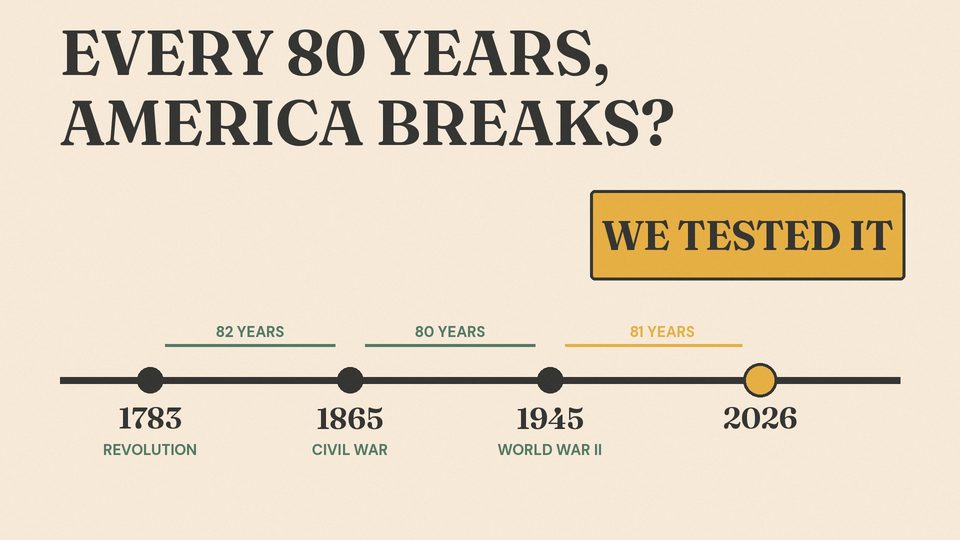
We check big claims about technology, money and history against primary sources. Every episode shows what is documented, what is only claimed and what has not been shown.

Evidence ledger

  • “Our customers rarely cancel.”CLAIMED
  • Revenue on page 47 of the annual reportDOCUMENTED
  • Monthly cancellationsNOT SHOWN
  • 12 × $20 = $240 a yearOUR CALCULATION
Illustrative example, not a real company.

The series

Three series, one method

How we check

Every claim gets a label

The shape of the stamp tells you which one, so it still reads in black and white and at thumbnail size.

DOCUMENTED
Evidence you can check yourself: an audited statement, a regulator’s or a court’s document, a peer-reviewed study, or data anyone can reproduce.
CLAIMED
Someone says so, but nothing independent backs it up. A company’s own figure or claim about itself is always claimed, even in a filing.
NOT SHOWN
Something that matters is missing: a number nobody reports, a measure that stopped, a test that was never published.
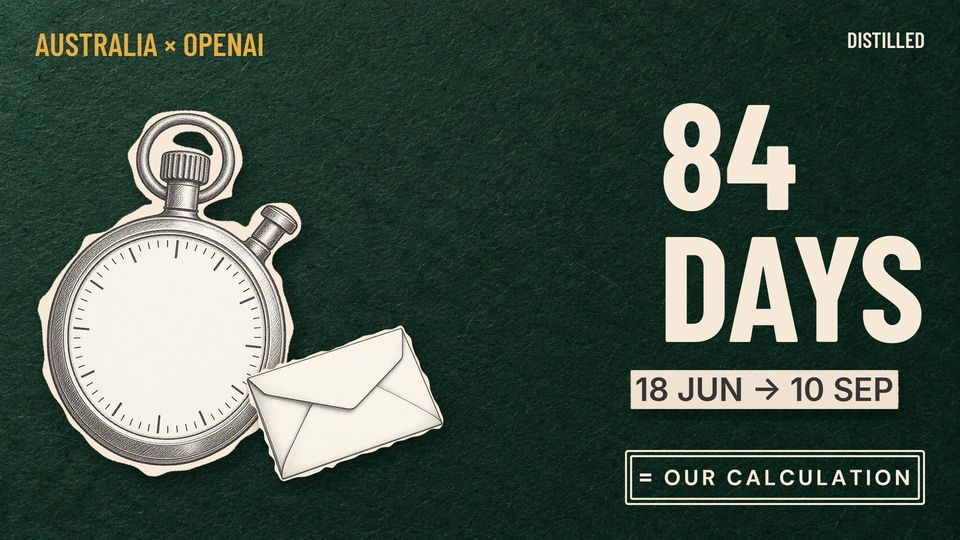
OUR CALCULATION
Our own arithmetic from sourced numbers. We say so out loud and show the sum.
  • We use primary sources: the original document or dataset, not another creator’s summary.
  • Every number on screen carries its source and date.
  • Missing data is marked as missing, never as zero.
  • A Short never claims more than the full episode.
  • Numbers are checked before we render and again on the day we publish.

The full method

Corrections

When we get it wrong

We say so where you watched it. Corrections are dated in the video description and on the episode’s source page. Tested also keeps a public correction log next to its method and data.

Corrections log · Every episode and its sources

Found an error? Leave a comment under the video with the time stamp and your source, or email [email protected].

How it’s made

Tools, including AI

  • Research and writing. We work with AI assistants. Every claim on screen is traced to a primary source, and a person signs off every episode before it is published.
  • Narration. An AI voice made from the narrator’s own voice.
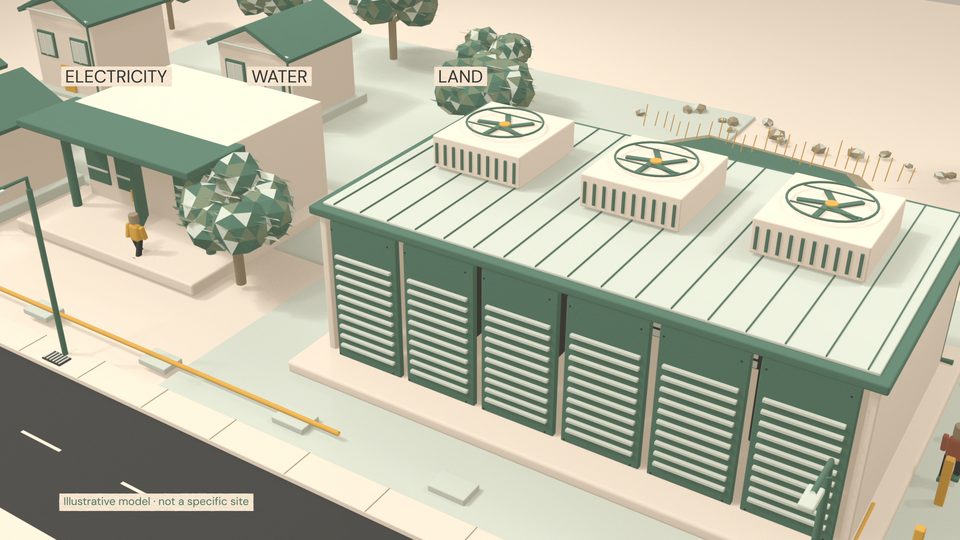
  • Pictures. 3D scenes are modelled in Blender and graphics are built as paper collage. AI-generated illustrations are labelled as illustrations and never used as evidence.
  • Music. Epidemic Sound and our own beats.

Who makes this

owlfox.studio

Made by Mike Hoolio and OWLFOX, a studio of Über Creative Oy. When an episode touches a client or industry of Über Creative, the video description says so.

Sponsorships and partnerships: [email protected]. A sponsor never changes a label or a verdict, and a sponsored episode says so.